
India’s food and edible oil market is witnessing major changes in 2026 due to revised GST structures, customs duty updates, and global trade disruptions. From edible oils like palm oil, sunflower oil, and soybean oil to packaged food products and grocery essentials, taxation policies are directly impacting household budgets, retailers, importers, restaurants, and food manufacturers.
The Indian government has been actively revising import duties and tariff values on edible oils to balance inflation, protect domestic farmers, reduce dependency on imports, and stabilize food prices. At the same time, GST reforms under the evolving GST 2.0 framework are reshaping how food items are taxed across the country.
With India importing nearly 60% of its edible oil requirements, tax policies on food products and cooking oils have become one of the most discussed economic topics in 2026.
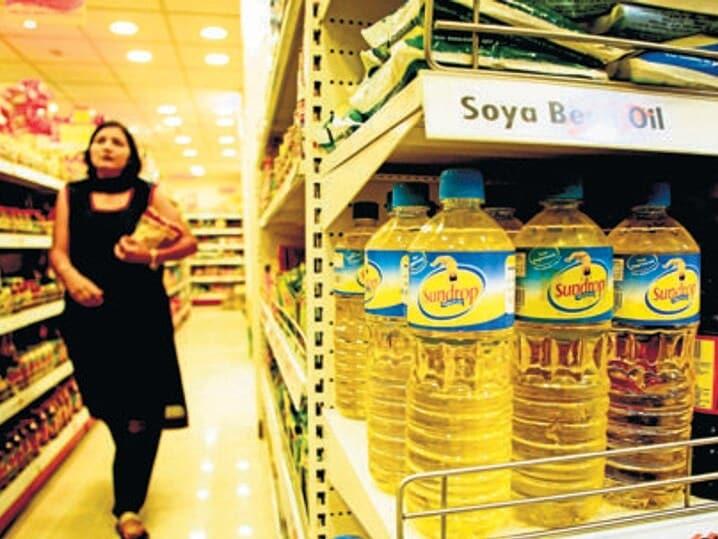
Why Taxes on Edible Oils Matter in India
Edible oils are among the most consumed kitchen essentials in Indian households. Any increase or decrease in import duty or GST immediately affects retail prices. India heavily depends on imports for palm oil, sunflower oil, and soybean oil from countries like Indonesia, Malaysia, Argentina, and Ukraine.
Recent government data and industry reports show that India imports between 15 to 17 million metric tonnes of edible oils annually.
This dependency makes India vulnerable to:
- Global crude oil price fluctuations
- Supply chain disruptions
- International conflicts
- Currency depreciation
- Import taxes and customs duties
As a result, even minor tax revisions on edible oils can increase food inflation significantly.
Latest Import Duty Changes on Edible Oils in 2026
One of the biggest developments in 2026 is the continued adjustment of customs duties on crude and refined edible oils.
The Indian government reduced the basic customs duty on crude edible oils such as crude palm oil, crude soybean oil, and crude sunflower oil from 20% to 10% to help reduce retail food inflation.
However, refined edible oils continue to attract higher import duties to encourage domestic refining industries.
Current Import Duty Structure on Edible Oils
According to recent import and customs reports:
- Crude edible oils attract lower effective duty rates
- Refined oils face significantly higher taxation
- Refined palmolein import duty can reach nearly 35.75% after additional cess and surcharges
The government’s strategy is simple:
- Import raw oils at lower tax rates
- Encourage local processing and refining
- Support Indian manufacturers and employment
- Reduce dependence on fully refined imports
This move helps domestic refineries but can sometimes increase the final retail price of packaged cooking oils.
Rising Food Prices and Consumer Concerns
Indian consumers are already facing inflation in groceries and kitchen essentials. Tax revisions on edible oils directly influence:
- Cooking oil prices
- Packaged food costs
- Restaurant expenses
- Bakery and snack manufacturing
- FMCG product pricing
Industry experts believe edible oil taxes are one of the biggest contributors to food inflation in urban India.
Recent vegetable oil import data shows imports increased by 13% in the first half of the 2025-26 oil year due to growing demand and supply pressure.
Higher imports mean India spends billions of dollars annually on edible oil purchases, increasing pressure on foreign exchange reserves.

GST on Food Items in India 2026
The GST structure for food items in India continues to evolve under the new GST 2.0 reforms.
The revised GST framework introduced simplified slabs and exemptions for essential goods.
Common GST Rates on Food Products
0% GST
Essential and unbranded food products often remain tax-free, including:
- Fresh vegetables
- Milk
- Eggs
- Fresh fruits
- Basic grains
5% GST
Many packaged food products fall under the 5% GST category:
- Packaged cereals
- Branded atta
- Pulses
- Edible oils in certain categories
- Tea and coffee
12% to 18% GST
Processed and premium food products attract higher GST:
- Packaged snacks
- Ready-to-eat meals
- Frozen food
- Restaurant food in some categories
- Soft drinks and processed beverages
These GST rates directly influence consumer spending patterns and the profitability of food businesses.
Impact on Restaurants and Food Businesses
Restaurants, cloud kitchens, bakeries, and food delivery companies are among the biggest sectors affected by rising edible oil taxes and GST changes.
Cooking oil is a core ingredient in:
- Fast food
- South Indian cuisine
- Fried snacks
- Bakery products
- Sweets and desserts
Higher import duties increase operating costs for restaurants and food manufacturers.
Businesses often pass these costs to customers through higher menu prices.
This has resulted in:
- Increased food delivery prices
- Reduced profit margins
- Menu restructuring
- Shift toward local oil alternatives
Many food businesses are now exploring healthier and locally sourced edible oils to reduce import dependency.
How Tax Changes Affect Indian Households
The middle class is the most affected segment when taxes on food and oils increase.
A small increase in cooking oil prices can impact monthly grocery budgets substantially because edible oils are used daily in Indian kitchens.
Families are now witnessing price increases in:
- Sunflower oil
- Palm oil
- Packaged snacks
- Restaurant dining
- Bakery items
- Instant foods
Inflation combined with taxation creates a chain reaction across the entire food ecosystem.
Government’s Strategy Behind Oil Tax Policies
The Indian government is trying to balance multiple economic goals simultaneously:
1. Control Inflation
2. Protect Farmers
3. Improve Food Security
4. Increase Domestic Manufacturing
Local processing industries benefit from tax advantages on crude oil imports.
According to industry experts, India loses billions of dollars annually on edible oil imports.
This is why policymakers continue revising tax structures frequently.
Palm Oil vs Sunflower Oil vs Soybean Oil Taxation
Palm Oil
Sunflower Oil
Soybean Oil
Future of Food Taxation in India
Experts believe India may continue revising food-related taxes based on:
- Inflation trends
- Global oil prices
- Agricultural production
- Import dependency
- Consumer affordability
The government is also expected to strengthen domestic oilseed production programs under agricultural reforms.
Potential future developments include:
- More GST simplification
- Additional customs duty revisions
- Incentives for Indian edible oil manufacturers
- Support for local farmers
- Stronger food supply chain reforms
Conclusion
The latest tax changes on edible oils and food items in India are reshaping the country’s economic and consumer landscape. While reduced import duties on crude edible oils aim to control inflation, higher taxation on refined products is designed to support domestic industries and local manufacturing.
For consumers, these tax revisions mean changing grocery budgets and rising food prices. For businesses, they create both challenges and opportunities in supply chain management, pricing strategy, and tax compliance.
As India continues to reform its GST system and revise customs duties, the food and edible oil sector will remain one of the most closely watched industries in 2026.
Businesses, retailers, and consumers must stay updated with evolving tax regulations to make informed financial decisions and adapt to the changing market environment.